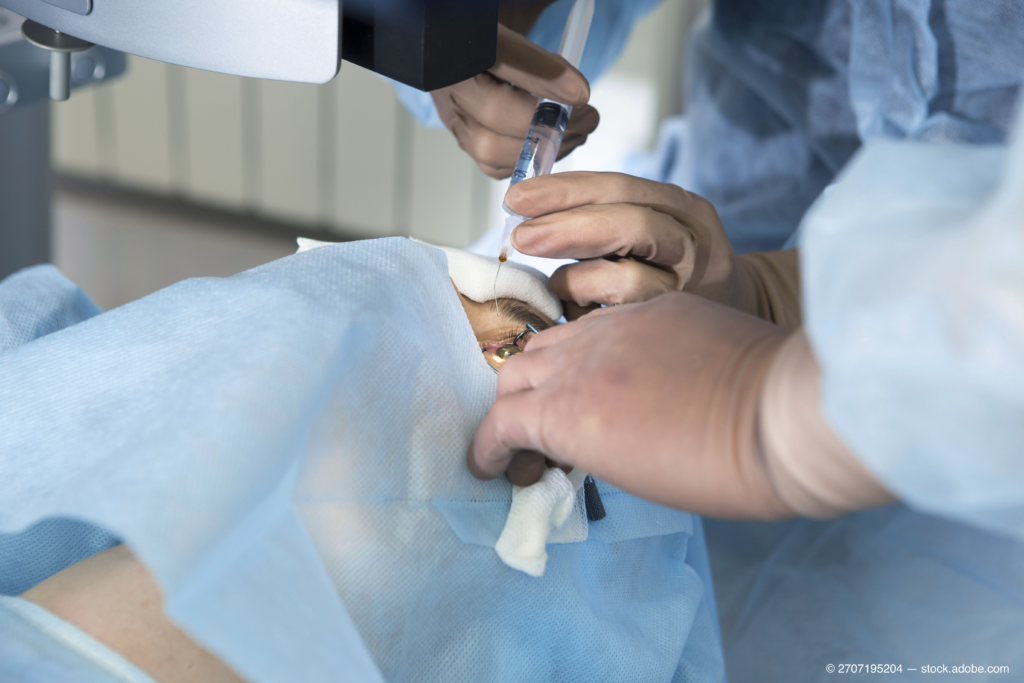
Presbyopia correction surgery has become an important topic in modern eye care as more people seek long term solutions for age related near vision changes 白內障治療. Presbyopia is a natural condition that gradually affects the eye’s ability to focus on close objects, often becoming noticeable in mid adulthood. While reading glasses or contact lenses are common temporary solutions, surgical options now provide an opportunity for more permanent vision improvement and greater visual freedom.
As medical technology advances, eye specialists have developed multiple approaches to address presbyopia. These methods aim to restore near vision while maintaining distance clarity, allowing individuals to reduce or eliminate dependence on corrective eyewear. Understanding how presbyopia correction surgery works, who it is suitable for, and what outcomes can be expected is essential for anyone considering this option.
Understanding Presbyopia and its Impact on Vision
Presbyopia occurs when the natural lens inside the eye loses flexibility over time. In a healthy young eye, the lens changes shape easily, allowing clear focus at various distances. With age, this flexibility decreases, making it difficult to focus on nearby objects such as books, phones, or digital screens.
This condition is not a disease but a normal part of aging. However, its impact on daily life can be frustrating. Many individuals notice the need to hold reading material farther away or require brighter lighting to see clearly. Over time, dependence on reading glasses becomes more frequent, which leads some people to explore presbyopia correction surgery as an alternative solution.
How Presbyopia Correction Surgery Works
Presbyopia correction surgery involves medical techniques designed to improve the eye’s focusing ability. The exact method used depends on the patient’s eye health, lifestyle, and vision needs. Eye surgeons evaluate the structure of the eye before recommending a suitable procedure.
One common approach involves reshaping the cornea to improve near vision focus. Another method replaces or modifies the eye’s natural lens to restore a broader range of vision. In some cases, a combination of techniques may be used to achieve balanced visual outcomes.
The goal of presbyopia correction surgery is not only to improve reading vision but also to maintain overall visual quality. Surgeons aim to create a natural visual experience where both near and distance vision are functional without heavy reliance on glasses.
Types of Surgical Approaches for Presbyopia
There are several surgical approaches used in presbyopia correction surgery, each with its own method of improving focus.
One approach involves laser based procedures that reshape the surface of the cornea. By adjusting how light enters the eye, these procedures enhance near vision clarity. This method is often chosen for individuals who prefer minimally invasive techniques.
Another approach involves lens based surgery, where the eye’s natural lens is replaced with an artificial one designed to provide a broader range of focus. These artificial lenses can help reduce dependence on glasses for both near and distance vision.
Some advanced techniques aim to create a difference in focus between the two eyes, allowing the brain to combine both images for clearer overall vision. This method requires careful adaptation but can offer effective results for suitable candidates.
Benefits of Presbyopia Correction Surgery
The main benefit of presbyopia correction surgery is improved visual independence. Many individuals appreciate the freedom of not needing to constantly use reading glasses or switch between multiple pairs of lenses.
Another benefit is long term convenience. Once the procedure is successful, patients often experience stable vision without frequent adjustments. This can simplify daily activities such as reading, working on digital devices, and driving.
Quality of life improvements are also commonly reported. Clearer near vision can make everyday tasks easier and more enjoyable. Many individuals feel more confident and comfortable in both professional and personal settings after undergoing treatment.
In addition, modern surgical techniques are designed with safety and precision in mind. Advances in medical technology have significantly improved outcomes and reduced recovery times.
Who can Consider Presbyopia Correction Surgery
Not everyone is an ideal candidate for presbyopia correction surgery. Eye specialists carefully evaluate each individual’s eye condition before recommending a procedure. Factors such as overall eye health, presence of other vision conditions, and lifestyle needs are taken into account.
People who rely heavily on close up vision for work or daily activities may find this surgery particularly beneficial. However, expectations must be realistic. While the goal is to reduce dependence on glasses, complete elimination of visual aids may not always be possible.
A thorough eye examination helps determine the most suitable approach. Specialists also discuss potential risks and benefits to ensure that patients make informed decisions.
Recovery and Adjustment After Surgery
Recovery after presbyopia correction surgery varies depending on the procedure performed. In many cases, initial healing occurs within a short period, although full visual adjustment may take longer.
During the recovery phase, patients may experience temporary changes in vision as the eyes adapt. Follow up visits with the eye specialist are important to monitor progress and ensure proper healing.
Eye care instructions are provided to support recovery. These may include using prescribed eye drops, avoiding strain on the eyes, and protecting them from bright light or dust.
Adaptation to new vision can take time, especially when both eyes are adjusted differently. However, most individuals gradually adjust and begin to experience improved visual comfort in daily activities.
Risks and Considerations
Like any medical procedure, presbyopia correction surgery carries some level of risk. These may include temporary visual disturbances, dryness, or sensitivity during the healing process. In rare cases, additional corrective procedures may be needed to achieve optimal results.
It is important for patients to have realistic expectations and understand that outcomes can vary. A detailed consultation with an eye specialist helps minimize risks and ensures that the chosen approach aligns with individual needs.
Careful post surgical care and regular follow up appointments play a crucial role in achieving successful results.
The future of Presbyopia Treatment
The field of vision correction continues to evolve rapidly. Research in presbyopia correction surgery is focused on improving precision, safety, and long term effectiveness. New technologies are being developed to enhance visual outcomes and reduce recovery times.
Advancements in artificial lens design and laser technology are expected to offer even more personalized treatment options in the future. These innovations aim to provide clearer vision across all distances with minimal side effects.
As understanding of the eye improves, treatments are becoming more tailored to individual visual patterns. This personalized approach represents the future of presbyopia care and vision restoration.
Conclusion
Presbyopia correction surgery offers a modern solution for individuals seeking freedom from reading glasses and improved near vision. With multiple surgical options available, patients can explore treatments that best suit their lifestyle and visual needs.

Leave a Reply